Does Brand Identity Matter in a Post-COVID World?
By Lottie Maddison, Marketing and Development Manager, STORMBRANDS
5-minute read
“It’s the end of the world economy as we know it” announced a New York Times headline on 16th April. The World Federation of Advertisers has asked whether COVID-19 will change marketing forever.
Both may well be the case. We’ve never seen change so far-reaching and sudden as we have in the past few weeks. But what does this mean for the idea of the brand? Does brand identity matter in a post-COVID world? Does the world even need brand design experts anymore?
The question goes right to the heart of the role brands play in our lives. It’s easy to see them as superficial additions, as meaningless consumption, but they’re more than that. They are recognisable symbols, markers of trust, and as this pandemic has shown time and time again at their very best brands can offer comfort, reliability, and familiarity in an unfamiliar and anxious world.
BrewDog is a brand that really feels as if it stands for something. In a remarkably short space of time, it has brought craft beer to the mainstream and re-energised the market. It has outstanding products, a brand voice that its audience loves, and a strong reputation. But with some of its recent redesigns, it has seemed to be losing its rebel spirit and becoming more commercial. The COVID hiatus may be the perfect moment for it to get back on track.
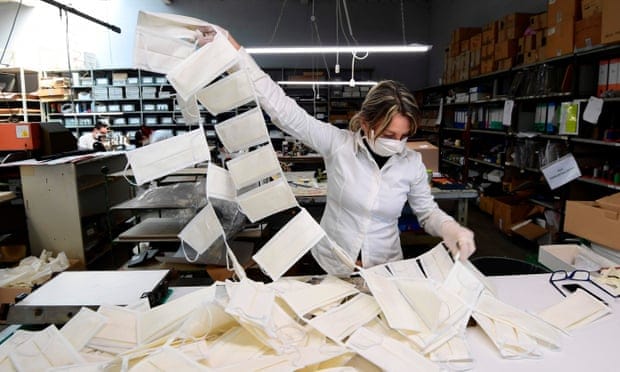
Photograph: Miguel Medina/AFP via Getty Images
Look at the often derided fashion brands like Prada, Zara or Louis Vuitton that re-engineered their factories to make face masks. Look at Premier Inn offering its hotels as hospital space. Look at Morrisons guaranteeing sick pay and designing emergency food boxes specifically for people with dietary requirements such as gluten-free. Look at Facebook providing free advertising space.
These and countless others are examples of brands using their resources and people power to innovate and provide key services. For some people, brands are a more trusted source of information than the Government or even NGOs, and this has meant many brands have had an important role to play in delivering news and resources to the public.
They’ve stepped up and protected their workers, communities and consumers. They have, in many cases, quite literally, been lifelines.
For some, it’s been an easy, natural step. For others, it’s involved a complete rethink of who they are and what they do. They’ve had to reshape their brand purpose, adapt to shifts in demand, and sometimes change category and messaging altogether. For some, it has involved building a brand identity from the bottom up.
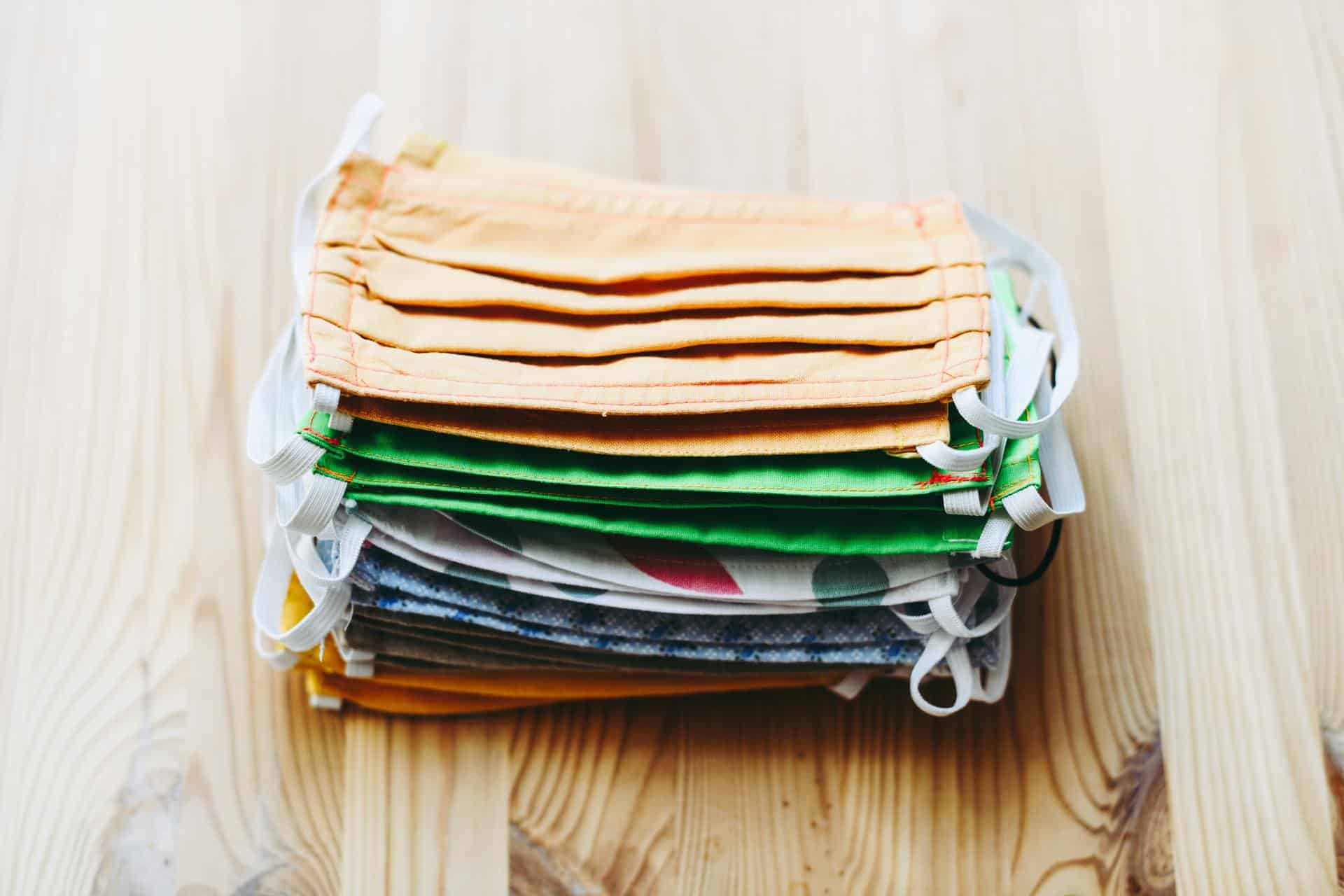
Facemasks are the new normal
Brands that have not lived up to these expectations have suffered. Some have been ‘cancelled’ or attributed with boycott hashtags that have reached hundreds of thousands across social media platforms.
As we look to the future this will reshape how we think of brand design and how to create a brand. There will surely be greater emphasis on social good, community, and collective power. The branding design that delivers this will stand out and succeed far more than it ever did in the past.
People expect more from brands now than they did just a few weeks ago. It’s now genuinely a matter of life or death and it’s no longer possible to even think about building a brand without considering this dimension. Marketing, the economy, the idea of the brand will be very different post-COVID, but brand identity will matter more than ever before.
Sign up to our mailing list in the footer to receive more insights straight into your inbox, or follow us on Instagram or LinkedIn.